
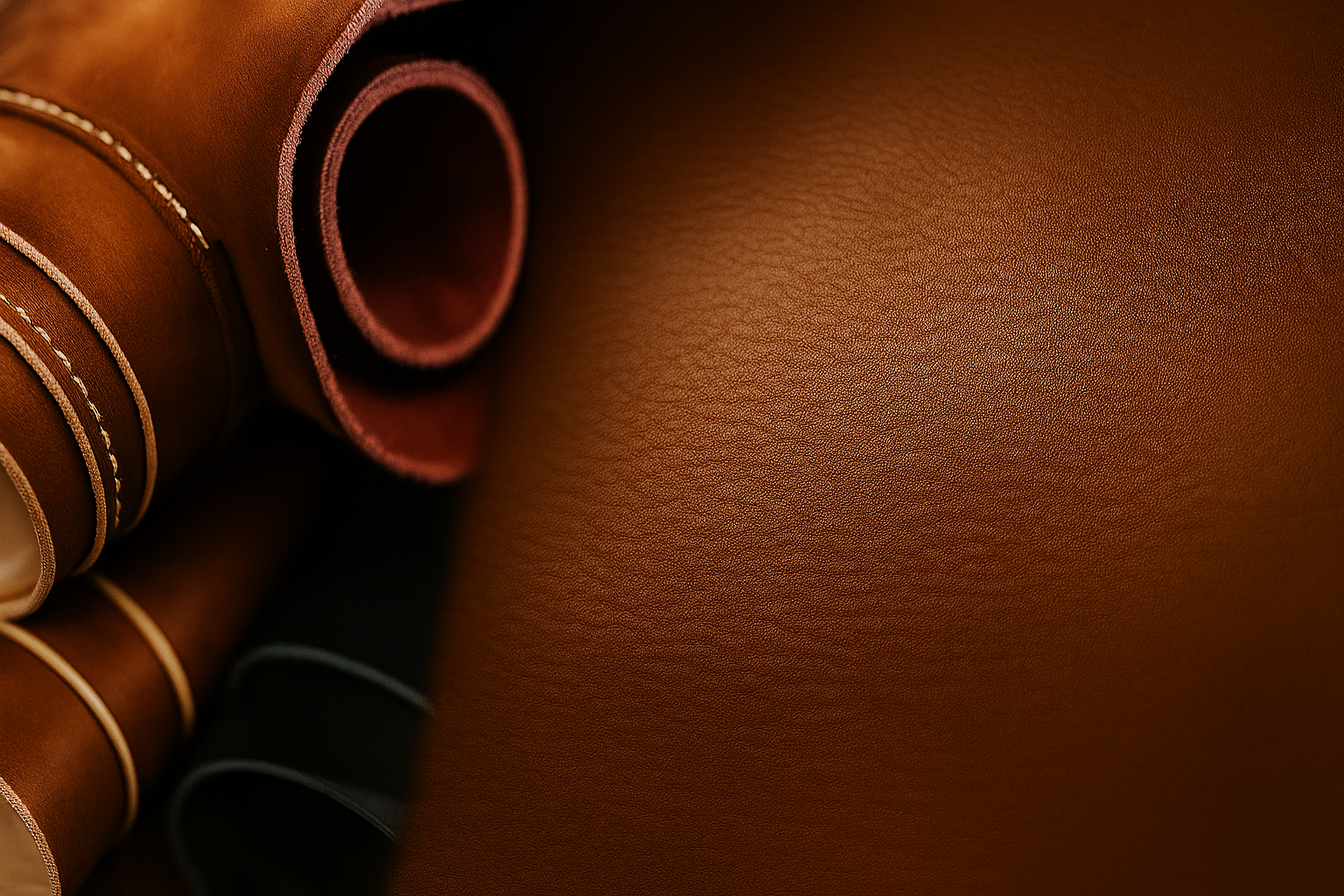
Why Leather is the Natural, Sustainable Choice
When it comes to crafting products that are durable, sustainable, and environmentally conscious, leather has stood the test of time. Often misunderstood, leather is in fact one of the most natural and responsible materials available — especially when compared to synthetic alternatives.
At Aventa Leather Group, we believe in making use of what nature already provides, and we’re proud to champion the many benefits of real leather: from its natural origin to its impressive longevity and reduced environmental impact.
Unlike many synthetic materials that are derived from fossil fuels, leather is a natural material. It begins as animal hides — a byproduct of the meat and dairy industries — which are otherwise destined for landfill. Every year, millions of hides are discarded globally, producing methane and greenhouse gases as they decompose.
By using these hides and turning them into high-quality leather, we prevent waste, reduce emissions, and create something useful and long-lasting out of what would otherwise be waste.
A Natural Material, Not Plastic.
Durability that Reduces Waste
One of leather’s greatest strengths is its durability. High-quality leather products last for decades — far longer than synthetic materials, which can crack, peel, and degrade in just a few years.
This longevity means fewer products being thrown away, and less demand for replacements. In sustainability terms, longer life = less production and less waste.
Waste & Emissions if Hides Aren’t Used
If hides from the meat and dairy industry were not used to make leather, they would largely be discarded through landfill or incineration. Based on industry-wide analyses, that disposal would generate approximately 6.6 million tonnes of CO₂e every year globally — about 22–23 kg CO₂e per unused hide. By up-cycling hides into durable leather, the industry helps avoid this waste and its associated emissions.
Better for the Environment
Compared to plastic-based “vegan” or synthetic leathers, real leather: Avoids petrochemicals and plastics, which pollute ecosystems and oceans. Breaks down naturally at the end of its life — composting into the earth rather than persisting as microplastics.
Many synthetic alternatives are marketed as eco-friendly but are actually made from PVC, PU, or other plastics that never fully degrade and often release harmful chemicals.
Compostability.
Back to the Earth
When properly tanned, real leather can biodegrade and return to the earth over time. In fact, our Zeology leathers can be composted into a high grade fertiliser — something no synthetic could ever achieve. With careful handling, even chrome-tanned leathers can have minimal impact at the end of their life, especially when compared to the hundreds of years it takes plastics to break down.
Making the Most of Resources
By choosing real leather, you’re supporting a circular approach to resources. Animals raised for food produce hides as a natural byproduct. Discarding those hides is wasteful — using them responsibly ensures we’re making the most of the resources already consumed.
The leather industry diverts millions of tons of hides from landfill each year.
Leather Guide
Leather comes in many forms, but not all are equal. Understanding the differences helps you choose the right material for your needs, whether you value strength, natural beauty, or sustainability. This guide explains the main types of leather, how tanning affects performance, and how to tell genuine quality from imitations.
Key Facts
Leather quality depends on the part of the hide used and the tanning method applied. Real leather has a unique smell, texture, and natural feel that synthetic imitations cannot match. With the right care, quality leather lasts for decades and improves with age.
Main Leather Types
Full-grain leather is widely regarded as the best. It retains the hide’s natural grain, including small imperfections, and develops a rich patina over time. It is also the strongest and most durable type.
Top-grain leather is slightly refined. The top surface is sanded and treated for a cleaner, more uniform look. This makes it less rugged than full-grain but still highly durable and versatile, making it popular for bags, jackets, shoes, and furniture.
Split leather comes from the lower layers of the hide after the top grain has been removed. When processed correctly, it can be just as strong—or even stronger—than top grain, while offering a softer, textured surface. It is commonly used for suede in shoe uppers, work gloves, linings, belts, handbags, and certain types of furniture, combining practicality with style in the right applications.
Bonded leather is made from shredded scraps of hide that are pressed and glued together. Although it can look convincing, it is not durable and tends to break down within a few years. It is often marketed as “real leather,” but it only contains a small percentage of genuine fibres.
What About Faux Leather?
Faux leather, also called synthetic or vegan leather, is not real leather at all. It is made from plastics such as PVC or PU that are designed to mimic the appearance of hide. Although it avoids using animal products, it comes with major downsides. It does not breathe, age, or last like real leather and often ends up cracking and peeling after short use. On top of that, most faux leathers are petroleum-based and non-biodegradable, making them far less sustainable than natural leather, which is a by-product of the food industry.
Tanning Methods
Tanning transforms raw hides into long-lasting leather. The method used affects softness, durability, colour, and environmental impact.
Chrome tanning is the most common technique worldwide. It uses chromium salts to produce soft, colourful leather quickly and cheaply. However, the process creates toxic waste and can be harmful to the environment if not carefully managed.
Vegetable tanning uses natural tannins from bark, wood, and plants. It is slower and more expensive but produces firm leather that ages beautifully and is much more eco-friendly. Vegetable-tanned leather is favoured by craftsmen and often chosen for premium products.
Zeology tanning is the newest innovation in the field and is increasingly seen as the future of leather making. Instead of harmful chromium, it uses naturally occurring zeolite minerals, creating leather that is safe, high-performing, and sustainable. Zeology combines the softness and versatility of chrome tanning with the eco-friendly benefits of vegetable tanning. It drastically reduces waste and pollution, protects workers from exposure to toxic chemicals, and produces leather that meets the rising demand for sustainable materials.
Leather Finishes
Different finishes can change both the look and performance of leather. Nappa is soft, supple, and luxurious, often used in fashion. Aniline shows off the natural grain with transparent dyes, though it requires more care. Pigmented leather has a coloured coating that makes it durable and uniform, common in furniture and car interiors. Nubuck is velvety to the touch thanks to a lightly buffed surface, while suede, made from the underside of the hide, has a soft nap but needs extra care to protect against stains.
Spotting Real vs Fake Leather
There are a few simple ways to identify genuine leather. Real leather has a warm, earthy smell that synthetics cannot reproduce. Its surface shows natural variation rather than being perfectly uniform. It also feels soft and flexible in the hand, unlike fake materials, which often feel stiff and have a plastic feel. Genuine leather requires skill and time to produce, which is why it costs more, but its durability and beauty make it an investment rather than a throwaway purchase.